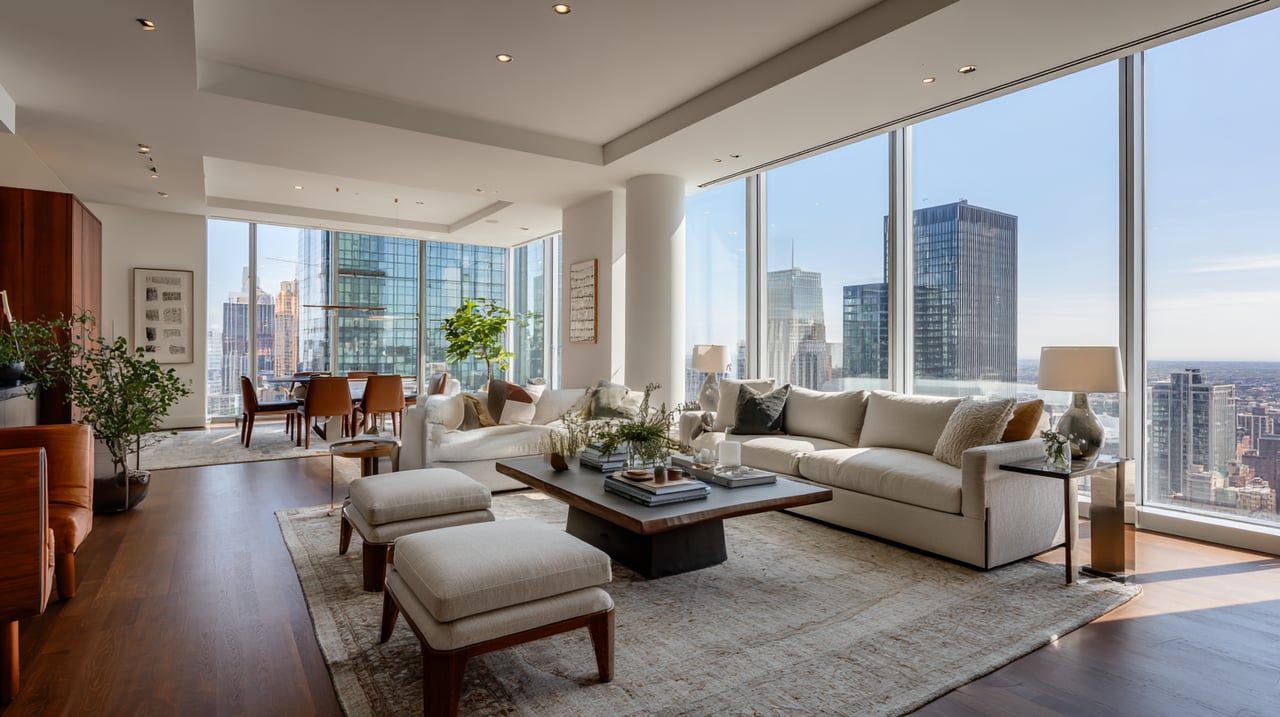
Ever wonder which high-rise amenities are worth paying for and which ones just inflate your HOA dues? In Dallas, climate, car culture, and lifestyle drive amenity value more than hype. You want comfort, convenience, and smart resale potential without unnecessary costs. This guide gives you a clear way to evaluate amenities in Dallas luxury condos so you can buy with confidence. Let’s dive in.
What drives value in Dallas
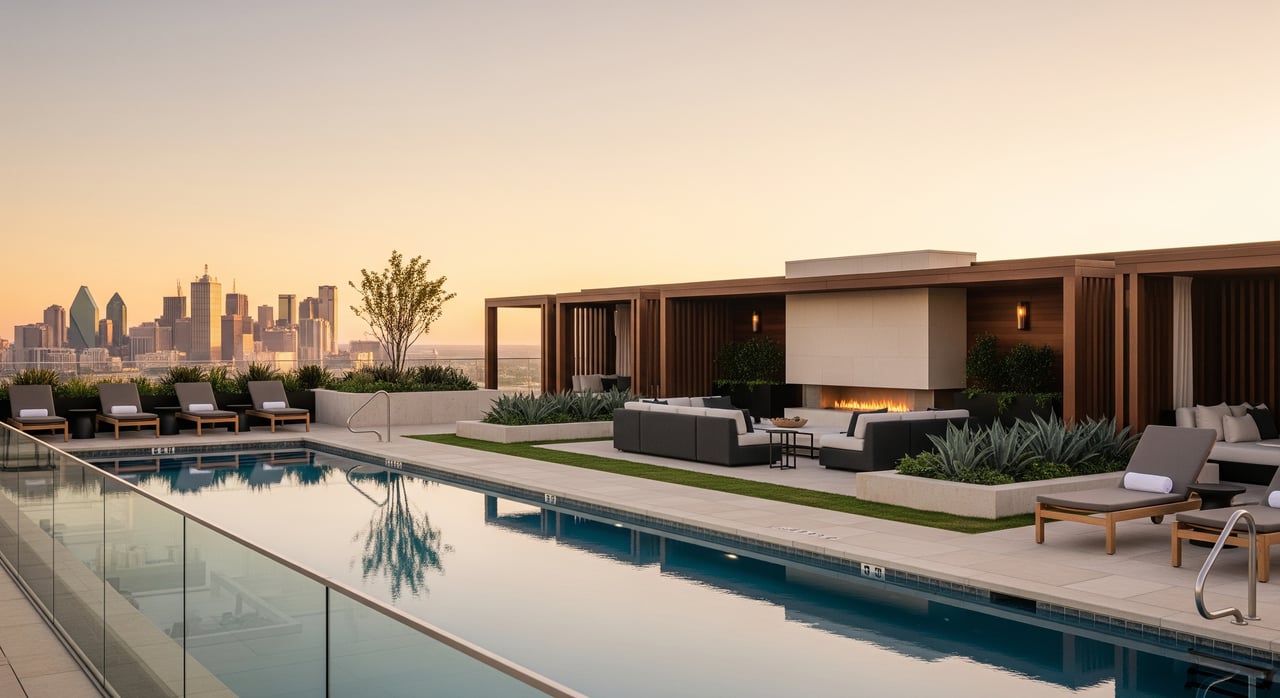
Dallas heat makes outdoor pools, shaded terraces, and strong building HVAC systems more valuable. You’ll feel the benefit during long summers when outdoor spaces and climate control get steady use. Rooftop lounges with skyline views also tend to draw demand.
Dallas is car-centric, so secure deeded parking, valet options, and extra storage rank high. Climate-protected spaces add comfort in the summer and help resale. If you travel often, a staffed lobby and package handling can be more than a perk.
Your profile matters. Empty-nesters often value full-service buildings, while professionals may prioritize walkability and on-site fitness. Investors focus on fees, rental rules, and how amenities affect operating margins.
Common high-rise amenities and costs
24-hour concierge
Staffing is the biggest cost driver, including salaries, training, and security integration. A true 24/7 desk often raises HOA dues. You gain security, delivery handling, guest access control, and day-to-day convenience.
Valet and parking
Valet requires staffing, insurance, and garage operations, which increases operating costs. Deeded, climate-protected parking can carry a resale premium in Dallas. Ask about maintenance schedules for lifts and garage repairs.
Pools and outdoor terraces
Pools require ongoing water, chemicals, pumps, and periodic resurfacing. Landscaped decks and shade structures add upkeep, especially with heavy summer use. Rooftops with skyline views can support premiums when well maintained.
Fitness and spa
Quality equipment, replacement cycles, and high-grade HVAC drive costs. Programming like classes or trainers adds recurring fees. If you use it often, an on-site gym can replace a private membership.
Guest suites
Guest suites require furnishing, housekeeping, and booking systems. Many buildings charge nightly fees that offset costs. Review reservation rules and how often owners can book.
Clubrooms and dining rooms
These spaces involve furnishing, cleaning, and event staffing. They work well if you entertain and prefer not to host in your unit. Check booking fees and availability.
Business and coworking spaces
Furniture, A/V, connectivity, and cleaning are typical costs. These rooms gained importance with hybrid work. If you only need them occasionally, make sure the setup fits your needs.
Pet amenities
Dog runs and pet spas add cleaning and waste removal costs. In a pet-friendly market, these features boost convenience. Inspect cleanliness and surface materials to gauge upkeep.
Storage solutions
Private storage, bike rooms, and lockers need construction and access control. Storage is valuable in urban buildings where space is tight. Ask about transferability and waitlists.
Private services
Think valet dry-cleaning, in-residence maintenance, or private dining services. Contracts and scheduling add operating costs. These can support higher pricing if you value hotel-like living.
Tech and security
Smart entry, surveillance, and building-wide systems need hardware, software, and IT support. Retrofitting older buildings can be expensive. Well-executed systems improve safety and convenience.
Three ways to value amenities
Comparative approach
- Identify 3 to 5 recent comps per building with similar size, floor, view, and condition.
- Compare price per square foot across buildings with different amenity sets.
- Adjust for unit-level differences like parking, storage, and renovations.
- Attribute residual premiums to building-level factors: amenities, fees, and operations.
This approach shows what the market is willing to pay right now.
Cost-to-provide approach
- Review the HOA budget to estimate annual amenity O&M and capital replacements.
- Divide by the number of units to find per-unit annual cost, then convert to monthly.
- Compare that number to your HOA dues to see if costs align with services.
Example only, replace with the building’s actual budget: Concierge and staffing $180,000; pool upkeep $35,000; landscaping $20,000; gym equipment $15,000. Total $250,000 per year in amenity costs. In a 200-unit building, that’s $1,250 per unit per year, about $104 per month attributable to amenities.
Utility and usage approach
- Estimate how often you will use each amenity.
- Compare to the cost of a private alternative or the time you save.
- Put a monthly value on each amenity, then subtract your share of amenity costs.
If a private gym is $100 per month and you expect to use the building gym 80 percent of the time, your personal gym value is about $80. If your share of all amenities is roughly $104 per month, you can decide whether the bundle is a net positive based on what you actually use.
Quick Dallas neighborhood notes
- Uptown: Strong demand for walkability, rooftop lounges, and active social spaces. Concierge and valet also rank high.
- Turtle Creek and Oak Lawn: Privacy, well-managed concierge, and secure garage parking often command attention. Green-space access is a plus.
- Downtown and Victory Park: Views, building security, business lounges, and package handling can be key for busy professionals.
- Oak Cliff (select areas): Lifestyle amenities like courtyards and terraces matter where boutique buildings trade on design and community.
Buyer checklist for tours and docs
- Obtain these from the HOA or listing side:
- Current operating budget and the last reserve study
- Reserve balance and the past 12 to 24 months of meeting minutes
- Insurance summary for the master policy and deductibles
- CC&Rs, rules and regs, and any rental policies
- Contracts for concierge, valet, cleaning, and fitness services
- Ask the building manager or HOA:
- Number of full-time staff and roles; employees versus contractors
- Recent and upcoming capital projects, timelines, and funding plans
- Amenity hours, booking policies, and any owner-only times
- Parking type: deeded or assigned; guest and storage rules
- HOA dues history over the last 5 years
- Inspect in person:
- Cleanliness, equipment wear, and staffing levels during peak hours
- Bookability of spaces like guest suites and clubrooms
- Garage lighting, access control, and condition of common areas
Amenity red flags to watch
- Low reserves relative to building age and known capital needs
- Recent or repeated special assessments
- High staff-to-unit ratio without clear value
- Ambiguous rental rules that could hurt resale or rentalability
- Insurance exclusions for amenities or high deductibles you would shoulder
- Non-deeded parking where deeded spaces are standard in the area
How amenities impact price and resale
Amenities can create price premiums when they match what local buyers want and when they are well operated. Scarce features, like a rooftop pool with skyline views in the most walkable pockets of Uptown, tend to support strong resale. Underused or novelty amenities that raise dues without clear utility can limit demand.
HOA dues affect buyer psychology and financing. Higher dues can shrink the buyer pool and draw more lender scrutiny. Associations with weak budgets, pending assessments, or strict rental caps may face slower sales.
Use amenity and HOA data in negotiations. If dues are higher than peers, ask for recent financials and a break-even view. If your comp set shows similar amenities at lower operating costs, bring that into pricing discussions. Always include a contingency to review HOA documents before you commit.
Investors tend to focus on rental rules, operating margins, and storage or parking flexibility. Owner-occupants often pay up for full-service living and will value services like concierge, valet, and on-site fitness if they fit everyday life.
Simple example calculations
- Pro-rata amenity cost example: If annual amenity O&M totals $250,000 in a 200-unit building, your share is $1,250 per year, or about $104 per month. If actual dues are far higher, look for other cost drivers like insurance, reserves, or debt service.
- Personal utility example: If valet saves you 15 minutes per day and you value your time at $60 per hour, that’s about $450 per month in time value at full usage. If you only valet half the time, your personal value is roughly $225 per month. Weigh that against your share of staffing costs.
Final thoughts
The right amenity mix should match your lifestyle, feel fairly priced in the HOA budget, and support strong resale in your target neighborhood. Use comps to set a baseline, verify costs in the HOA documents, and run your personal utility math. When you combine all three, you avoid overpaying for features you won’t use and focus on the ones that upgrade your daily life.
If you want building-by-building guidance, private comps, and a review of HOA rules and reserves before you write an offer, request a private consultation with Sharon Quist.
FAQs
How do HOA dues relate to amenities in Dallas high-rises?
- Most amenity costs show up in recurring operating expenses and reserves, so higher service levels like 24/7 concierge and valet usually translate to higher dues.
Are Dallas rooftop pools worth a premium?
- In hot summers and view-driven areas, well-run rooftop pools and terraces often support premiums, especially when paired with strong operations and skyline views.
What is the value of deeded parking in Dallas condos?
- Deeded, climate-protected parking is a practical and resale-positive feature in a car-centric city, often commanding a premium over assigned or leased spaces.
How should I compare two buildings with different amenities?
- Use comps to set price, review HOA budgets to verify costs, and estimate your personal usage value to see which amenity bundle fits you best.
What documents should I review before buying a Dallas condo?
- Review the current budget, reserve study and balance, meeting minutes, insurance summary, CC&Rs and rules, staffing contracts, and amenity booking policies.
Which amenities matter most for resale in Uptown and Downtown?
- Concierge, secure parking, quality fitness, and rooftop spaces with views typically draw the widest buyer interest when they are well maintained and easy to use.