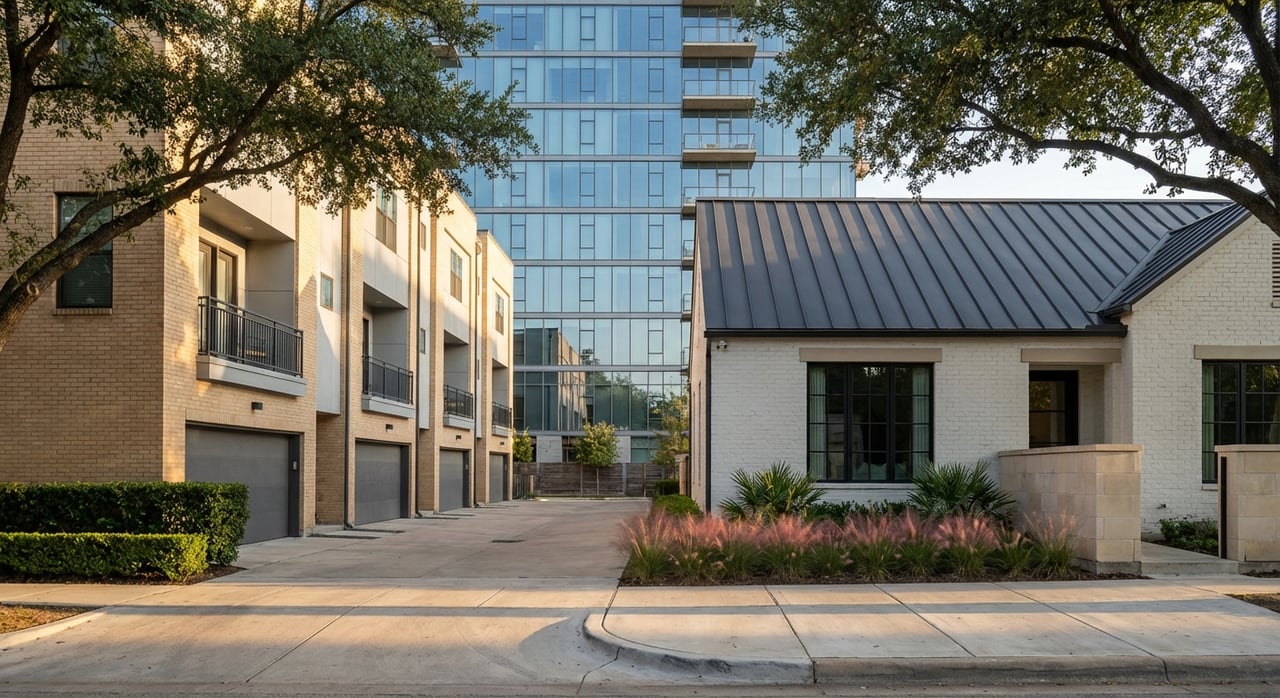
Thinking about a high-rise in Uptown, a sleek townhome off Knox-Henderson, or a classic single-family home in Lakewood or Preston Hollow? You have great options in Dallas, and each gives you a different day-to-day rhythm. Your ideal fit comes down to how you want to live, what you want to maintain, and how much flexibility you need. In this guide, you’ll compare privacy, convenience, parking, outdoor space, maintenance, and monthly costs across Dallas home types, with local insights to help you buy with confidence. Let’s dive in.
Quick Dallas overview by home type
Where you’ll find high-rises
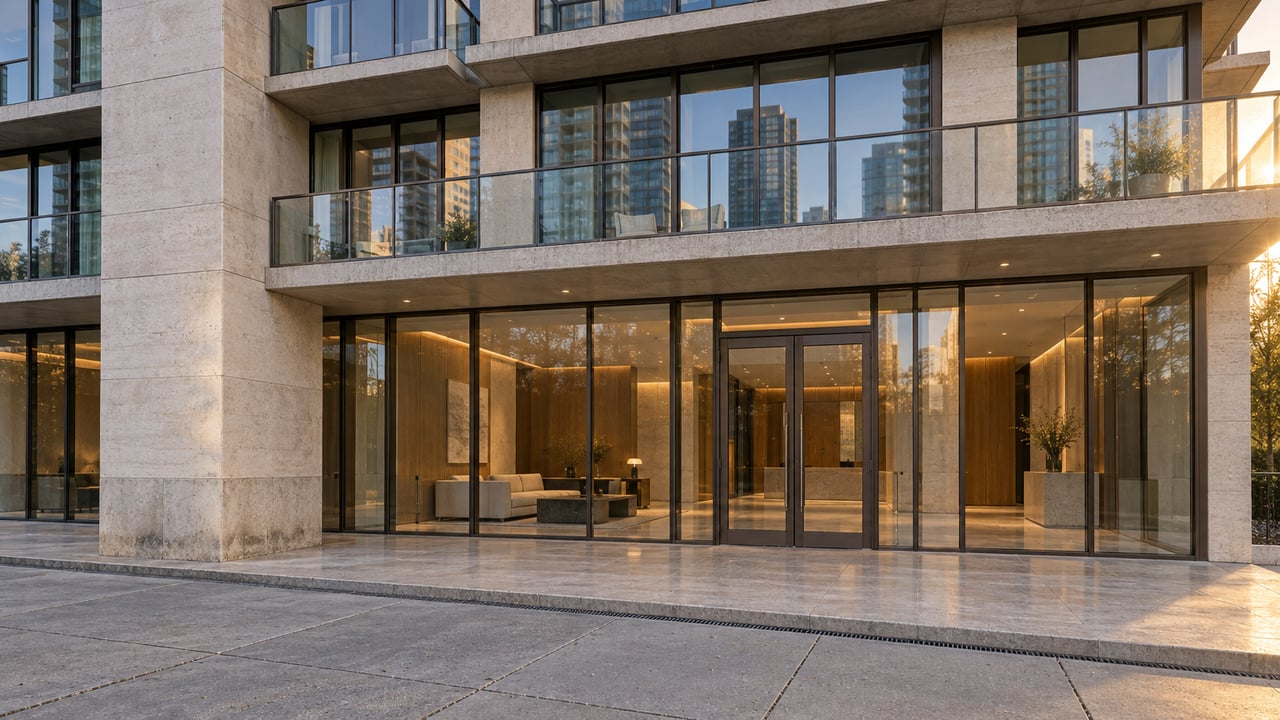
Dallas high-rise and luxury condo living clusters around Uptown, the Harwood District, Turtle Creek, the Arts District, Downtown, and Victory Park. These towers range from boutique buildings to full-service residences with concierge, valet, fitness, and pool amenities. The luxury high-rise segment often behaves like a micro-market, with steady interest even when the broader market cools. Local reports noted increased balance and inventory across DFW in 2024–2025, yet premium towers maintained buyer attention in their niche.
- Market context: Redfin reported a median Dallas home sale price near $375,000 as of January 2026, down roughly 4.1% year over year (use this as a broad affordability baseline). Regional MLS coverage pointed to more balanced conditions and inventory recovery by mid-2025, which can give buyers more choice. For a regional snapshot, see the MetroTex coverage in this DFW market report.
Where you’ll find townhomes
In-town townhomes are common in walkable corridors, including Knox-Henderson and the Uptown fringe, Lower Greenville, the M-Streets, Bishop Arts and parts of East Dallas near SMU. Most offer multi-level living, private garages, and either small yards or rooftop decks. You’ll trade big-building amenities for more space and direct-access parking.
Where you’ll find single-family homes
Single-family homes are spread across Dallas, from Lakewood and Lake Highlands to Preston Hollow, North Dallas, and the Park Cities, and throughout suburbs like Plano and Irving. Lot sizes and block character vary widely by neighborhood. For a quick orientation to established neighborhoods, this overview of Dallas areas offers general context.
Daily life tradeoffs
Privacy and noise
- High-rise: Upper floors typically enjoy strong vertical separation from street noise. You will share lobbies and elevators, so expect more interaction in common areas.
- Townhome: You’ll have party walls and street-level entries. Privacy is better than most apartments but not as isolated as a detached house.
- Single-family: Best overall privacy with control over landscaping and buffers.
Convenience and amenities
- High-rise: Full-service buildings shine for convenience. Many offer concierge, onsite maintenance, gyms, pools, and true lock-and-leave living that appeals to frequent travelers and busy professionals.
- Townhome: You gain space and a private garage. Amenities are limited, and you may need to manage vendors unless your HOA covers exterior items.
- Single-family: Convenience depends on the neighborhood. You set up and manage your own services.
Parking and access
- High-rise: Expect structured garage parking, assigned spaces, and sometimes valet. Extra or guest parking can be tight in dense districts. For a sense of neighborhood parking costs, review monthly options in Uptown from services like WhereiPark.
- Townhome: Most include an attached one or two-car garage. Street rules may be enforced by the HOA.
- Single-family: Typically the easiest for multiple cars and guest parking, subject to local street rules.
Outdoor space and pets
- High-rise: Many units offer a balcony or terrace, plus shared rooftop or courtyard spaces. Pet policies vary by building, and some towers set size or breed restrictions.
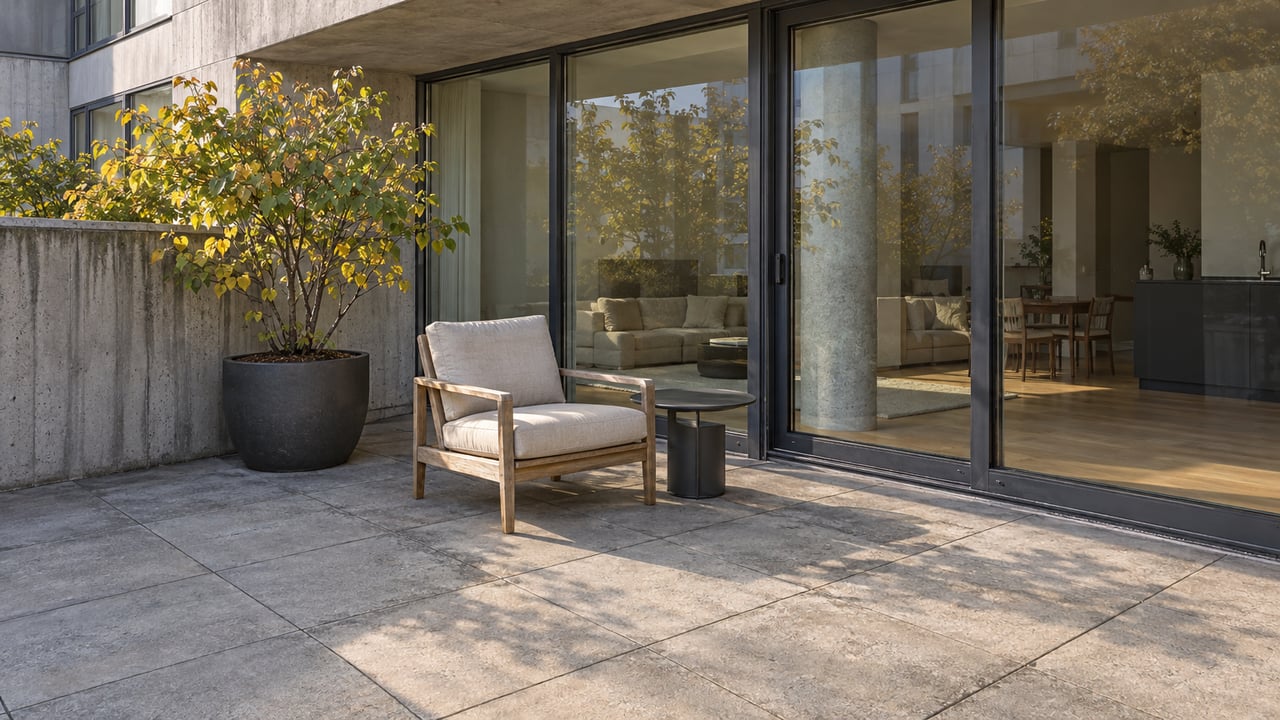
- Townhome: You may have a small yard, fenced patio, or rooftop deck. It is often a sweet spot for more private outdoor space without a large lawn.
- Single-family: Yards, trees, and private gardens are standard, which suits larger pets and private play.
Maintenance and lock-and-leave
- High-rise: Best for lock-and-leave. The association’s master policy and staff typically handle exterior systems and common areas. Always confirm what your HOA covers.
- Townhome: Mixed. Many HOAs handle exteriors and common areas, but yard and driveway care may be on you.
- Single-family: You manage everything outside and coordinate vendors unless your community HOA provides services.
Cost factors that surprise buyers
HOA dues and what they include
- High-rise: Full-service towers often run in the mid-hundreds to over $1,000 per month. Staffing, amenities, master insurance, and building reserves drive the number.
- Townhome: Often lower, commonly in the low to mid-hundreds, depending on whether exteriors and utilities are included.
- Single-family: Many have no HOA, though gated or master-planned areas charge monthly dues.
Always verify the line items. Ask if dues include water, trash, internet, cable, parking, or storage. Compare the association’s insurance scope and reserves to understand long-term risk.
Property taxes in Dallas
Dallas property taxes combine city, county, school district, hospital, college, and sometimes PID assessments. A typical combined levy cited by city sources is around $2.22 per $100 of assessed value, but exact liability depends on your property and taxing districts. For current context, review the city’s tax rate information and confirm with your lender or tax office.
Insurance differences: condo vs house
- Condos: You will carry an HO-6 unit-owner policy for interiors, personal property, and liability. The association carries the master building policy. Learn how bare-walls-in vs all-in master policies change your coverage and loss assessment exposure with this condo insurance primer.
- Houses: You will carry an HO-3 (or HO-5) dwelling policy that covers the entire structure and other structures.
Insure.com reports average Texas condo insurance around the $1,000 per year range, though your city, building, and coverage limits affect the number. See state-level context from Insure.com.
Reserves, disclosures, and special assessments
Texas’ Uniform Condominium Act requires sellers and associations to provide a resale certificate that discloses the association’s operating budget and reserves. You should read it, plus any recent special assessments or planned capital projects. See the resale certificate statute at Texas Property Code §82.157.
Texas does not impose a statewide reserve study or minimum funding requirement for most associations. Underfunded reserves are a common reason for special assessments in attached communities. Understanding reserve levels and planned projects helps you avoid surprises.
Financing and building health
Financing for condos includes a project-level eligibility review. Fannie Mae and Freddie Mac updated standards to screen for material deferred maintenance and inadequate reserves. Projects with significant issues can be ineligible for conventional financing, which narrows the buyer pool and may affect resale. Get an overview of current expectations from this legal summary of GSE updates.
Unlike Florida’s statewide milestone inspection rules, Texas does not require universal milestone structural inspections for towers. Many lenders and insurers still ask for recent engineering, structural, and mechanical reports, along with reserve studies, during underwriting. Read a national overview of new HOA and condo law trends here: condo and HOA laws overview.
What to request early:
- Resale certificate, association budget, and reserves.
- Latest reserve study (if any) and planned capital projects.
- Recent structural and engineer reports, especially for buildings over three stories.
- Master insurance declarations and deductibles.
- HOA parking rules, assigned space counts, and guest/valet policies.
Who tends to choose what
- High-rise: Popular with professionals, downsizers, frequent travelers, and second-home owners who prize convenience, security, skyline views, and walkability to Uptown, Arts District, and Downtown culture.
- Townhome: Attracts buyers who want in-town living and more private space, plus a garage and easier pet life, without a full yard to manage.
- Single-family: Appeals to buyers prioritizing larger yards, personal control of the property, and traditional neighborhood settings across Dallas and nearby suburbs.
Sample monthly cost snapshots
Every building or neighborhood is different, but these broad examples can help you frame a budget. Always confirm specifics with current listings and association documents.
- High-rise condo in Uptown or Turtle Creek: HOA fees often range from about $400 to $1,200+ per month in full-service towers. Add an HO-6 policy for interiors and personal property, which Insure.com places around $1,000 per year in Texas. Parking for guests or extra spaces may carry added costs in dense areas.
- In-town townhome: Many HOAs fall in the $100 to $400 per month range, depending on exterior coverage and included utilities. Insurance can vary based on whether the HOA’s master policy covers the building shell.
- Single-family home: Many have no HOA or charge modest dues, but your largest recurring costs are property taxes and homeowner’s insurance. Check current Dallas tax rate context on the city’s tax rate page.
Smart checklist for Dallas buyers
Use this quick list to reduce risk and avoid surprises.
- Ask for the resale certificate and association financials as allowed under Texas Property Code §82.157.
- Review the last two to three years of HOA minutes for discussion of large repairs, deferred maintenance, or pending special assessments.
- Request the latest reserve study (if any) and compare percent funded with planned capital projects.
- Examine master insurance declarations, coverage scope, and deductibles. Learn how it pairs with your HO-6 using this HOA master policy guide.
- Obtain any recent structural or engineering reports. Lenders often want reports from the last three years. See why this matters in the GSE project review update.
- Confirm parking rules, assigned spaces, guest options, and valet costs. For context on neighborhood parking costs, scan Uptown monthly parking options.
- Check flood zone status using FEMA’s National Flood Hazard Layer and any Dallas County resources.
- Ask your lender early about FHA, Fannie Mae, or Freddie Mac eligibility for the specific condo project and whether spot approval is possible. This FHA condo approval overview explains the basics.
Which one fits you
If you want maximum convenience, hotel-level services, and true lock-and-leave living, a Dallas high-rise can be a perfect match. If you want more private space and a garage in a walkable area without a big yard, explore in-town townhomes. If you want the most control, privacy, and outdoor space, look to single-family neighborhoods across Dallas and nearby suburbs. The right answer is the one that aligns with your daily routine and long-term plans.
When you are ready to compare specific buildings, HOAs, and floor plans, request a private, building-by-building consultation with Sharon Quist. You will get expert guidance, discreet access, and a clear plan to move with confidence.
FAQs
Are Dallas condo HOA fees high compared to houses?
- Full-service towers often charge in the mid-hundreds to over $1,000 per month, while many single-family homes have modest dues or none; always confirm inclusions and reserves.
What does an HO-6 policy cover in Dallas condos?
- An HO-6 covers your unit’s interiors, personal property, and liability, while the association’s master policy covers common elements; see this condo insurance explainer.
How does financing differ for condos vs houses in Dallas?
- Condos face project-level reviews by Fannie and Freddie, and buildings with deferred maintenance or weak reserves may be ineligible, which can limit loan options and affect resale.
Where are most Dallas high-rises located?
- You will find them concentrated in Uptown, the Harwood District, Turtle Creek, the Arts District, Downtown, and Victory Park, with amenity-rich towers and concierge services.
What should I review before buying in a Dallas condo building?
- Request the resale certificate, recent HOA minutes, reserve study, engineering reports, master insurance declarations, and parking rules, then confirm financing eligibility early.