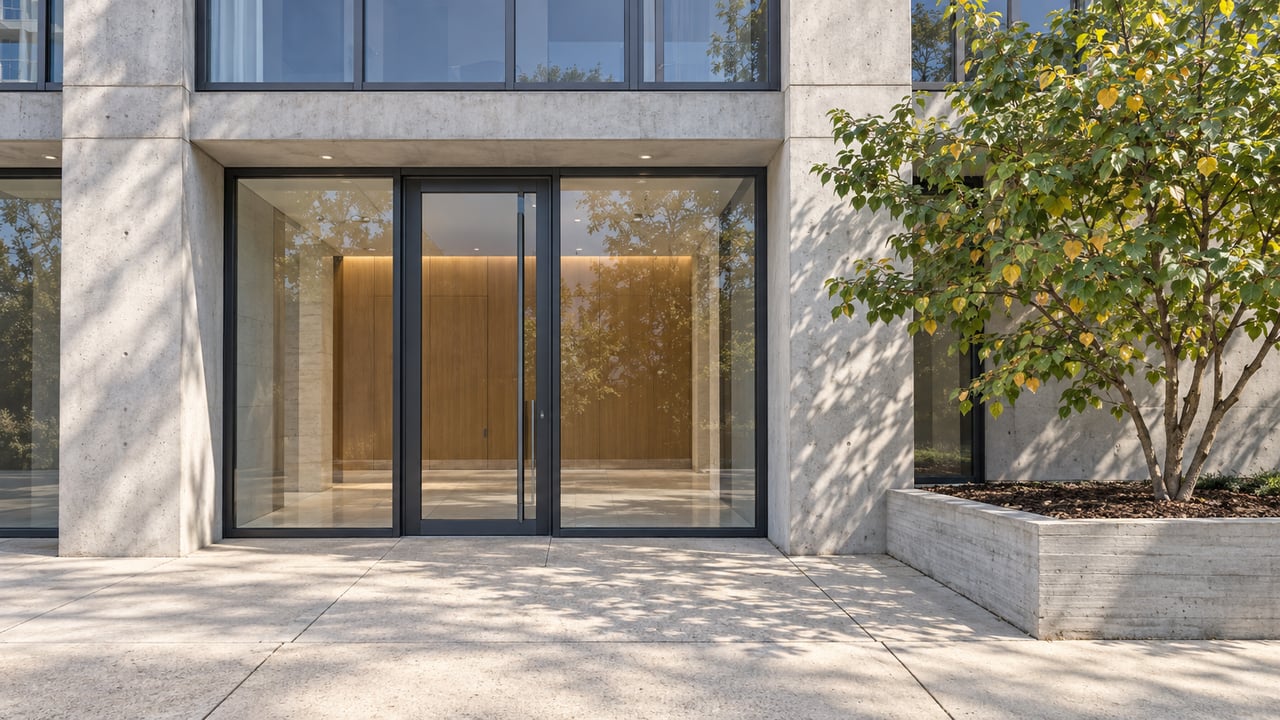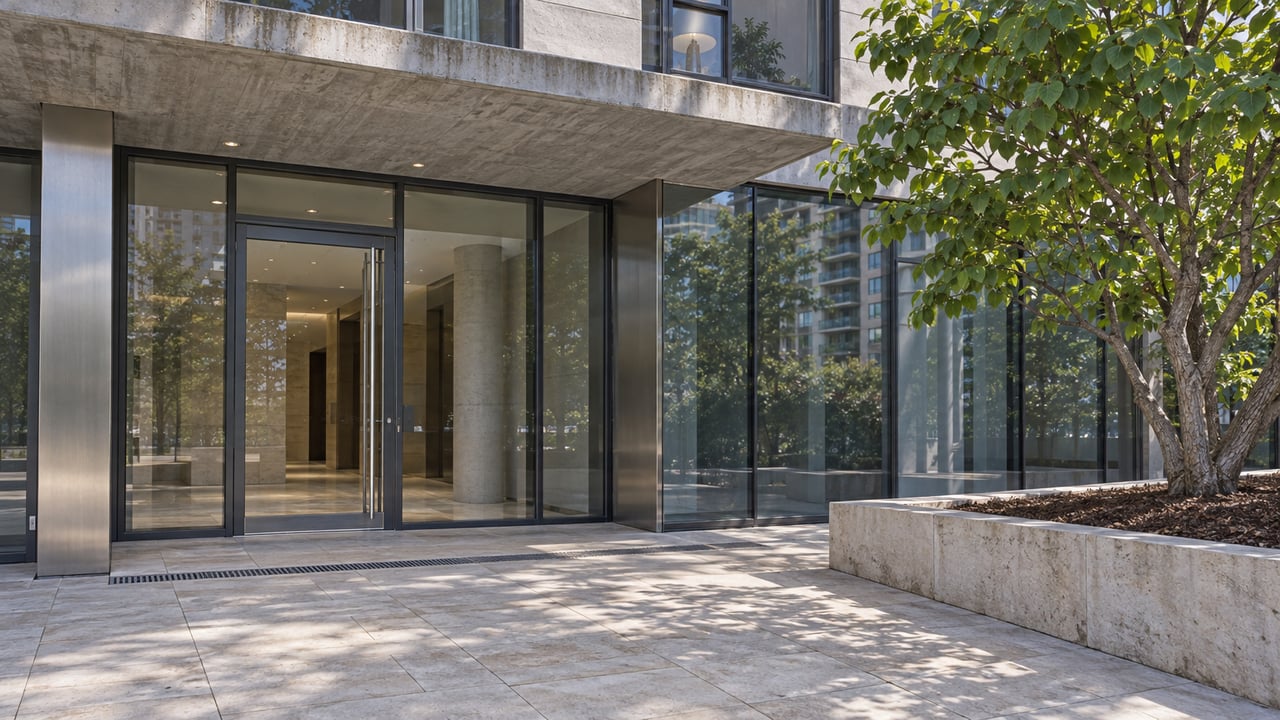
Picture this: you trade mowing and maintenance for skyline views, hotel-style amenities, and the freedom to lock and leave. If you live in Park Cities, Preston Hollow, or a nearby North Dallas neighborhood, a move to an Uptown, Turtle Creek, or Downtown high-rise can feel like a lifestyle upgrade and a major logistics puzzle all at once. You want clarity on timing, financing, HOA rules, rightsizing, and the realities of moving into a tower. This guide gives you a clear plan, grounded in Dallas specifics, so you can move with confidence. Let’s dive in.
Why a Dallas high-rise now
High-rise living simplifies your day-to-day with concierge services, fitness centers, and on-site security, plus easy access to dining, arts, and the Katy Trail. Lock-and-leave convenience helps you travel more and worry less about upkeep. Market conditions matter too. Neighborhood and county trends can shift, and condo inventory has given buyers more leverage at times, even as luxury segments behave differently. Keep an eye on neighborhood-level metrics and Dallas County snapshots to shape timing and pricing expectations, and review local updates like the DFW market stats from Republic Title for context on supply and demand across Dallas-Plano-Irving corridors. Republic Title’s recent DFW overview is a useful starting point.
Map your move: sell first, buy first, or bridge
Coordinating a house sale with a condo purchase is the heart of a smooth transition. Your path depends on your risk tolerance, cash flow, and the availability of the right unit.
Sell first
Selling your North Dallas home first is the most conservative route. You know your net proceeds before you shop, which keeps your budget precise. The tradeoff is timing pressure. You may need short-term housing or storage if your ideal high-rise appears after your home closes.
Buy first
Buying the condo before listing your house removes the home-sale contingency and lets you move and then stage your house for top presentation. Many homeowners use bridge financing or a buy-before-you-sell solution. Fees and interest are higher, and there are more moving pieces, so weigh costs and speed benefits carefully. For a primer on buy-before-you-sell structures, review this overview of cash-bridge options in the industry’s real estate 101 category from Homeward.
Contingent offers and kick-out clauses
In competitive buildings, sellers often prefer clean offers. If you include a home-sale contingency, prepare for short cure windows or a kick-out clause that allows the seller to accept another offer while you work to sell. Strategy and communication matter. If you have flexibility, consider a leaseback with your home’s buyer or a short-term lease near your target building to avoid rushing.
Typical Texas closing timelines
Most financed purchases in Texas close in about 30 to 45 days from contract to closing. Cash deals can be faster. Title companies coordinate the escrow, title, and recording steps that drive the schedule, so build your plan around these timelines. For a quick explainer on Texas closings, see this guide to expected schedules from True North Title & Escrow.
Condo due diligence that protects you
Condo purchases have a second layer of review: the building’s financial health, insurance, and rules. Request the full HOA packet as early as possible, ideally immediately after your offer is accepted.
- What to ask for: declaration and bylaws, recent board minutes, current budget, reserve balances or a reserve study summary, master insurance declarations, owner-occupancy and rental policy, any special assessments, and any pending litigation disclosures. Texas requires certain management-certificate filings and member access to dedicatory instruments, so confirm availability and completeness. See the state’s guidance on management certificates from the Texas HOA office.
- Resale certificate timing and fees: Recent legislative updates standardized aspects of how associations deliver resale documents and manage online access. This often speeds delivery and clarifies fees, which helps your lender stay on schedule. For a practitioner summary of the 2025 updates, review this analysis of Texas HOA law changes from HOA Legal.
- Reserves, assessments, and litigation: These are key risk flags for lenders and buyers. Inadequate reserves or large special assessments can affect financing options and total cost of ownership. Read minutes closely and ask clarifying questions before you waive contingencies.
Texas law to know
Texas Property Code Chapter 82, the Texas Uniform Condominium Act, governs many aspects of condominium declarations, management certificates, and owners’ rights. If you want the full legal text, review the Texas Uniform Condominium Act.
Financing a condo: warrantable vs non-warrantable
Condo financing depends on the building as much as you. A “warrantable” project meets Fannie Mae and Freddie Mac standards, which keeps conventional financing broadly available. Lenders check owner-occupancy ratios, HOA delinquency rates, reserve funding, litigation, insurance coverage, and commercial space percentages. If a project is non-warrantable, expect a smaller lender pool and higher down-payment or pricing requirements. Ask your lender to run a preliminary project review before you fall in love with a unit. For a straightforward overview, see this guide to warrantable vs non-warrantable projects from Newrez.
If you plan to use FHA financing, check whether the building is on HUD’s FHA-approved list. If it is not, ask about a single-unit approval or whether a full project review is realistic within your timeline. This process can add weeks, so verify early using the HUD FHA condo search tool.
Rightsizing without the overwhelm
Moving from a North Dallas house to a high-rise often means editing furniture, art, storage, and seasonal gear. Give yourself months, not weeks. Work room by room, set clear keep-sell-donate-store categories, and involve family early for sentimental items. If you want structured help, certified move managers can plan, sort, and coordinate the entire process with sensitivity. You can search for resources and professionals through the National Association of Senior & Specialty Move Managers.
Quick rightsizing steps:
- Walk your target floor plans and measure large pieces first. If it will not fit through the service elevator or unit entry, decide now.
- Photograph items for consignment or auction. For higher-value items, consider an appraisal before you sell.
- Create a storage plan. Many towers have limited storage options, so reserve on-site storage if offered or arrange nearby storage in advance.
High-rise move-in logistics to expect
Every building has rules to protect common areas and keep residents comfortable. Plan your move with precision.
- Reserve the service elevator and loading dock. Expect set windows on weekdays or limited weekend hours. Busy towers book out weeks ahead.
- Provide your mover’s certificate of insurance naming the association. Expect elevator pads and a move fee or refundable deposit.
- Confirm door and corridor measurements, garage clearance heights, and any limits for delivery trucks.
- Clarify resident and guest parking procedures, pet rules, and delivery hours before you move.
Lifestyle shifts in Uptown and Turtle Creek
Life in the urban core trades yard work for walkability and culture. Many residents enjoy daily access to the Katy Trail for fitness and fresh air. Explore current maps, events, and access points via the Katy Trail’s official site. Public transit adds convenience too. DART’s light rail, buses, and the M-Line trolley connect Uptown and Downtown, making urban living less car-dependent. Plan routes with DART’s trip tools.
Expect a different rhythm than suburban streets. You will hear more city energy, meet neighbors in common spaces, and find restaurants, galleries, and performances within minutes of your front door. Test your routines before closing if you can by spending a weekend nearby and mapping grocery, medical, and pet-care stops.
A simple 12-month game plan
- 9 to 12 months out: Start rightsizing and identify your target buildings and neighborhoods. Speak with a condo-experienced lender and your financial advisor about financing options, including bridge strategies and potential tax implications.
- 6 months out: Align with your listing agent and buyer agent on sell-first or buy-first timing. Ask your lender to preapprove you and to preliminarily check warrantability for likely buildings.
- 90 to 120 days out: If selling first, prep and list your home. If buying first, widen your high-rise search or consider a strategic short-term lease as you wait for the right stack and view. When your condo offer is accepted, request the HOA packet immediately and have your lender order the condo questionnaire and insurance documents.
- 30 to 45 days to closing: Follow standard Texas closing timelines. Clear title items early, schedule your move-in window with building management, and confirm mover insurance and elevator reservations.
High-rise buyer and seller checklist
Use this as a quick reference for documents to request or verify early:
- HOA packet or resale certificate with declaration and bylaws, budget, recent minutes, reserve info, insurance dec page, and current rental policy. See the state’s guidance on HOA management certificates.
- Confirmation of any special assessments or pending litigation noted in minutes or board letters.
- Condo questionnaire and project review items your lender requires, including fidelity coverage and insurance. For financing context, see the warrantable checklist overview from Newrez.
- Resale certificate delivery timeline and fees. Review the 2025 procedural updates summarized by HOA Legal.
- Any FHA/VA needs and whether the project appears on the HUD FHA condo list.
- Texas statutory reference for condominiums: Texas Uniform Condominium Act.
Make your move with confidence
When you coordinate timing, verify building health early, and rightsize with a plan, downsizing from a North Dallas home to a Dallas high-rise becomes a calm, deliberate transition. If you want a building-by-building strategy, off-market access, and white-glove coordination from contract to move-in, request a private consultation with Sharon Quist.
FAQs
How should I time selling my North Dallas home before buying a condo?
- Decide your risk tolerance first. Selling first gives budget certainty but may require interim housing. Buying first reduces pressure on staging and timing but often includes bridge costs. Texas closings typically run 30 to 45 days, so build your calendar around that window.
What is a warrantable condo and why does it matter in Dallas?
- Warrantable projects meet Fannie Mae and Freddie Mac standards, which broadens lender options and can improve terms. Non-warrantable buildings may require larger down payments, portfolio loans, or cash. Ask your lender to run a project review early.
Which HOA documents should I review before committing to a high-rise?
- Request the full resale packet: declaration and bylaws, budget, reserve details, recent minutes, insurance declarations, rental policy, and any special assessments or litigation notices. Confirm resale certificate fees and delivery timing.
How do Texas HOA and condo law changes affect my purchase?
- Recent updates improved access to management certificates and standardized elements of resale practices. This often speeds document delivery and clarifies fees, which helps your lender keep your closing on track.
Can I use FHA financing for a Dallas high-rise condo?
- Possibly. Check whether the building is on HUD’s FHA-approved list and ask your lender about single-unit approvals if it is not. This process can add time, so verify early in your search.